
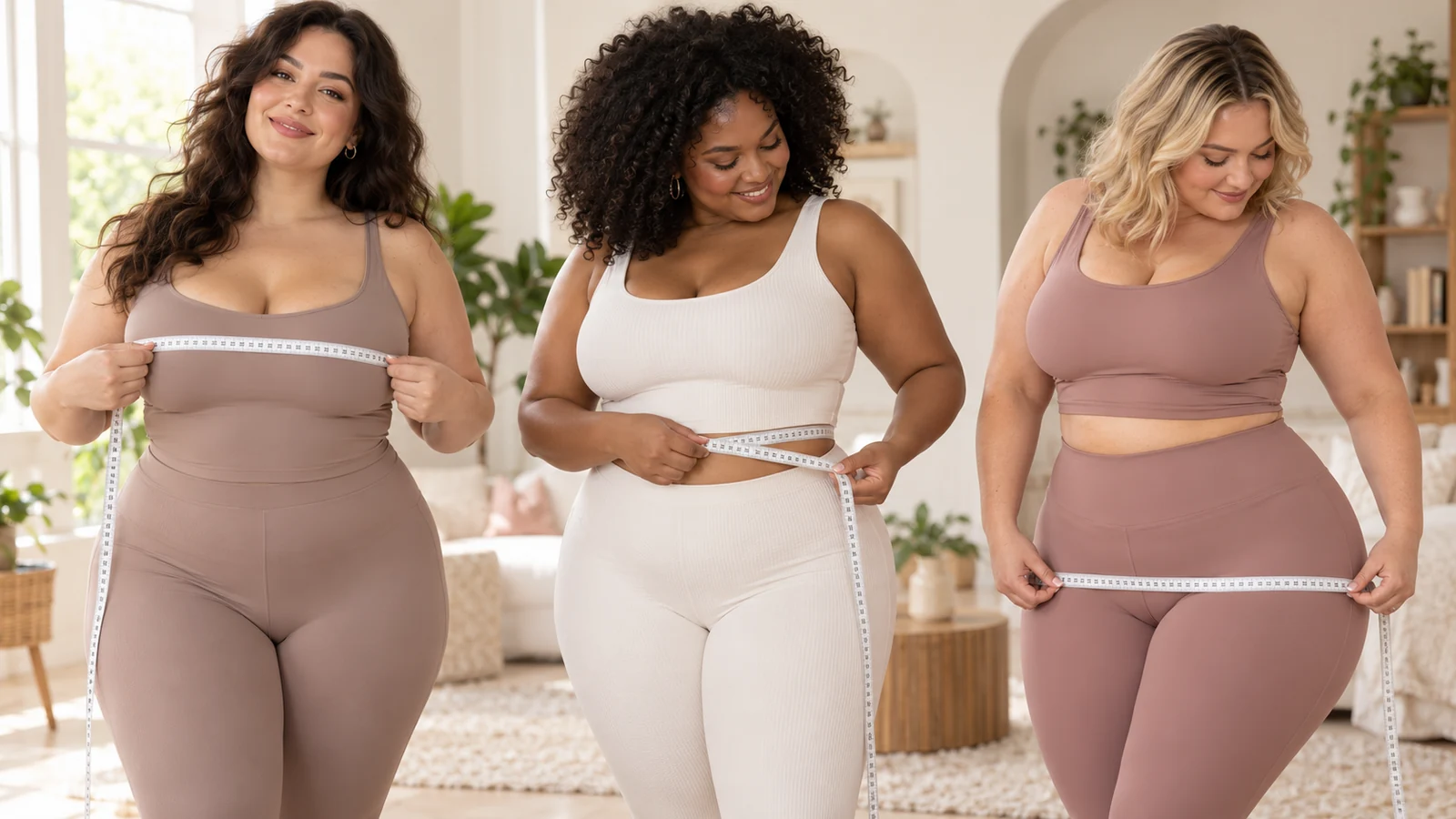
Learning how to measure yourself for clothes makes shopping a little less confusing. Instead of relying only on the size you usually wear, you can compare your bust, waist and hip measurements with the chart for the exact garment you want to buy.
For curvy and plus-size women, those three measurements may fall into different size ranges—and that is completely normal. The goal is to choose clothing that gives you comfortable room where you need it, whether you prefer a close fit or a relaxed silhouette.
In this guide, I’ll walk you through taking your measurements, reading a size chart and checking the extra details that matter for dresses, jeans, skirts and tops.
1. Gather Your Measuring Tools
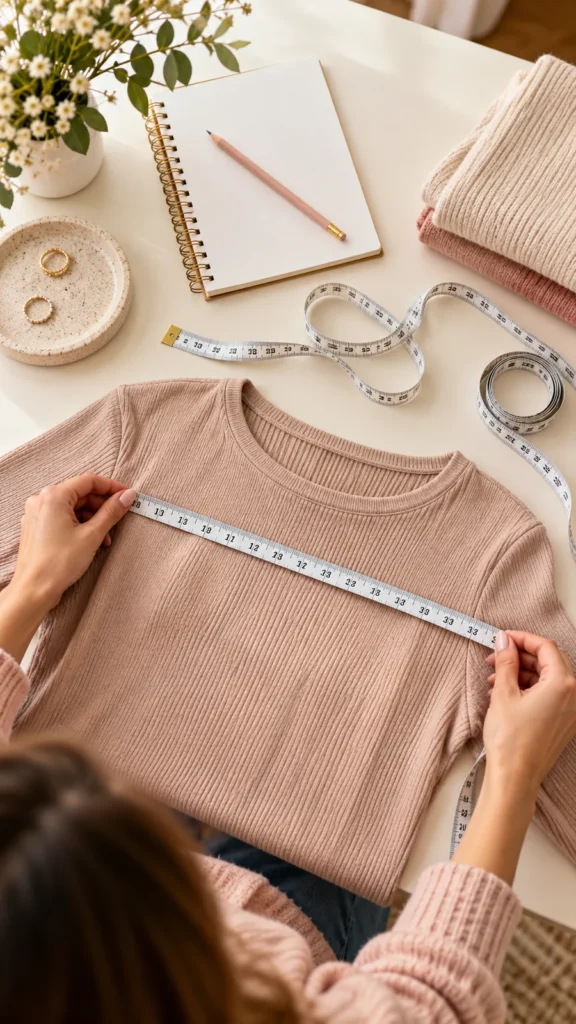
You do not need special equipment beyond a flexible measuring tape. A full-length mirror helps you check that the tape stays level, and a friend can help with measurements that are difficult to reach.
- A flexible, non-stretch measuring tape.
- A mirror and a place to stand comfortably.
- A phone or notebook to record measurements.
- The size chart for the garment you are considering.
If you do not have a measuring tape, use a non-stretch ribbon or string, mark the length and measure it against a ruler. Avoid stretchy cord because it can change the result.
Style Tip: Record measurements in both inches and centimeters if you shop from brands that use different units.
2. Prepare Before You Measure
Measure over underwear or a thin, close-fitting layer rather than bulky clothing. For your bust measurement, wear the bra you expect to wear with the outfit. A padded bra and an unpadded bra can create different measurements.
Stand naturally with your weight balanced and your arms relaxed. Breathe normally, avoid pulling in your stomach and keep the tape comfortably against your body without pressing into your skin.
Check each measurement twice. If the numbers differ, reposition the tape and measure again rather than choosing the smaller result.
3. How to Measure Your Bust

- Wrap the tape around the fullest part of your bust.
- Bring it around your back, keeping it level with the front.
- Check in the mirror that the tape has not slipped down or twisted.
- Keep it gently touching your body without compressing your bust.
- Read and record the measurement while breathing normally.
This is your full bust measurement, which is commonly used for clothing size charts. It is different from your underbust measurement and does not, by itself, determine your bra size.
For a fitted blouse or dress, compare your bust measurement carefully. Pulling across the chest or gaps between buttons can indicate that you need more room or a different cut.
Style Tip: If button-down shirts fit your waist but pull across your bust, consider a fuller-bust cut or tailoring instead of repeatedly buying the same shape in a larger size.
4. How to Measure Your Natural Waist
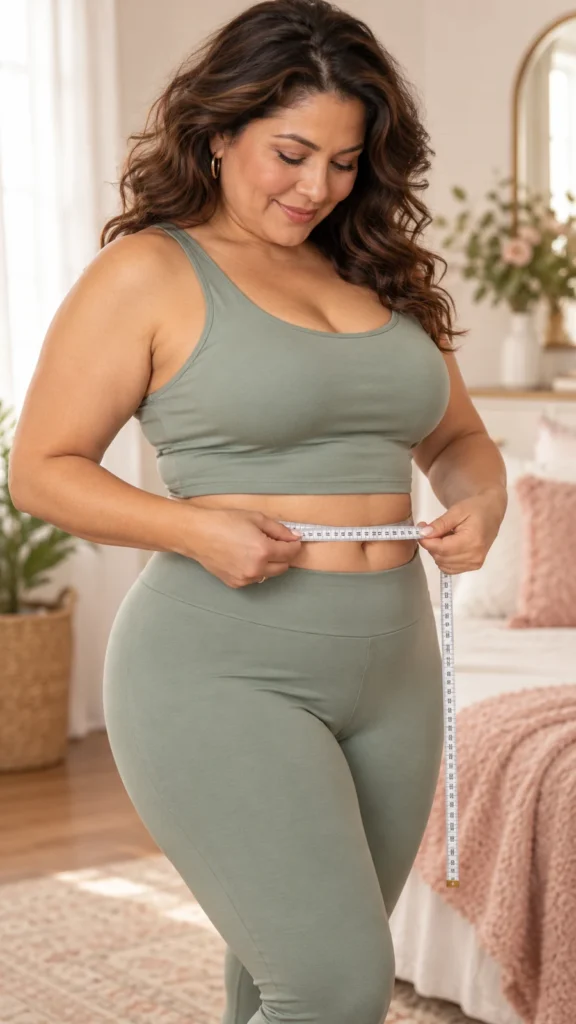
Your natural waist is often between the bottom of your ribs and the top of your hip bones. It may be the narrowest part of your torso, but that point is not equally visible on every body.
- Gently bend to one side to help locate your waist crease.
- Stand upright again and wrap the tape around that area.
- Keep the tape horizontal and comfortably against your skin.
- Measure after a normal breath out, without holding your breath.
Your natural waist is not necessarily where your jeans sit. Low-rise and mid-rise waistbands may rest below it. When a brand gives different measuring instructions, follow those instructions for that garment.
Style Tip: Do not tighten the tape to reach a preferred number. Accurate measurements make it easier to find clothes that feel comfortable when you sit down.
5. How to Measure Your Hips
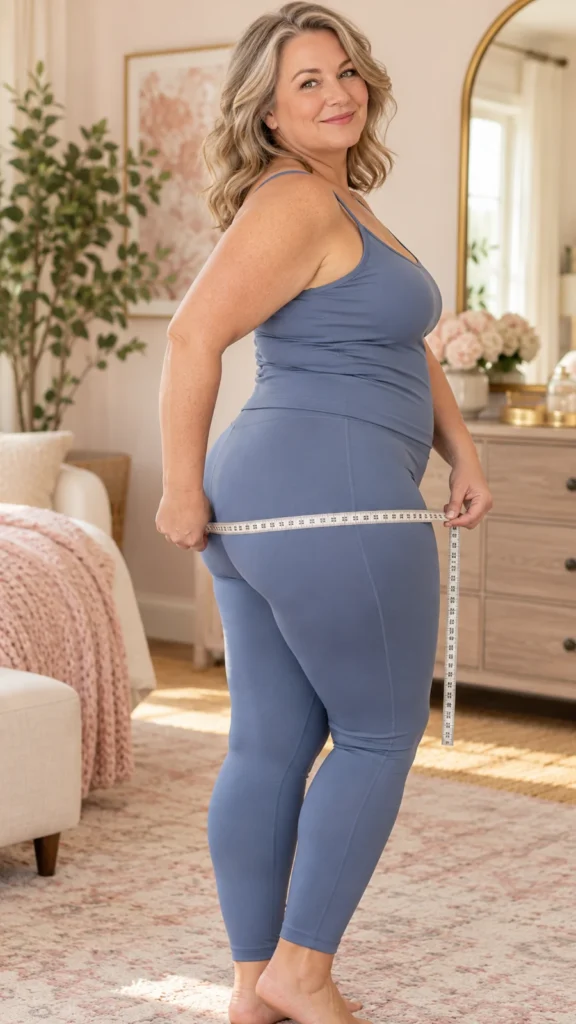
- Stand with your feet together or close together, without straining.
- Wrap the tape around the fullest part of your hips and seat.
- Use the mirror to check that it stays level all the way around.
- Move the tape slightly up and down to locate the fullest circumference.
- Record the measurement without squeezing the tape.
The fullest point is not a fixed number of inches below the waist for everyone. Your shape and proportions determine where it falls.
If your abdomen is fuller above the hip line, you can record that circumference separately. It may help when comparing fitted skirts or pants with detailed garment measurements.
6. Take the Extra Measurements Your Outfit Needs
Bust, waist and hips are a useful starting point, but some garments need additional checks.
- Inseam: Measure from the crotch seam to the hem of pants that already fit well. Use a pair with a similar cut to the one you want.
- Thigh: Measure around the fullest part of one thigh when checking fitted pants.
- Upper arm: Measure the fullest part with your arm relaxed if fitted sleeves often feel restrictive.
- Skirt length: Measure from the intended waistband position to your preferred hem.
- Dress length: Follow the retailer’s stated starting point, which may be the shoulder or another specified location.
These measurements are especially helpful for petite, tall and plus-size shoppers because two garments in the same labeled size can have different proportions.
7. Compare Your Measurements with the Correct Size Chart
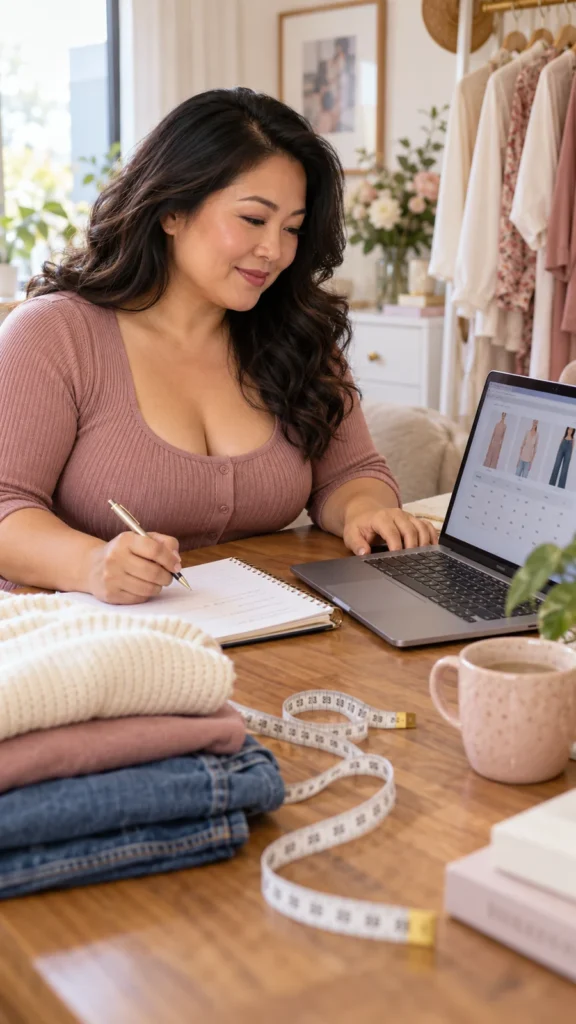
Open the chart for the exact product or brand. A general US size label is not a reliable substitute: a size 16, XL and 1X are not interchangeable across every clothing range.
Also check what the chart is measuring:
- Body measurements: Compare these directly with the measurements you took.
- Garment measurements: These describe the clothing itself. They may include room for movement, or assume that the fabric stretches.
- Flat measurements: A waistband measured across a garment laid flat may need to be doubled to calculate its circumference. Follow the seller’s instructions.
Do not automatically add or subtract inches. Read the fit description, fabric information and measuring instructions together.
8. What to Do When Your Measurements Match Different Sizes
You may match one size at the bust and another at the hips. Start with the area the garment needs to fit most closely.
- Tops: Check bust, shoulders and upper-arm room.
- Fitted skirts: Check both waist and hips.
- Pants: Check waist, hips, thigh room and rise.
- Fitted dresses: Consider all three main measurements.
- Relaxed dresses: Check the fitted areas, which may primarily be the bust and shoulders.
For a non-stretch garment, sizing for the fuller area and altering a looser area can be an option. However, complicated seams, pockets and embellishments may make alterations less practical.
Style Tip: When two sizes seem possible, compare the garment measurements with a similar piece you already own and enjoy wearing.
9. Check Fit by Moving, Not Just Standing
When your order arrives, try it with the underwear and shoes you expect to wear. Then sit, walk, reach forward and lift your arms.
- Does the waistband feel comfortable while seated?
- Do buttons stay closed without pulling?
- Can you move your arms without tightness?
- Does the skirt allow your normal walking stride?
- Do seams and pockets sit comfortably?
A close fit can still be comfortable. The important question is whether the garment supports the way you want to move and wear it.
Frequently Asked Questions
Should I measure over clothes?
Underwear or a thin, close-fitting layer usually gives a clearer result than bulky clothing. Follow the brand’s instructions if it specifies a particular method.
Should I always size up when I am between sizes?
No. The best choice depends on the garment’s cut, stretch, measurements and your preferred fit. Non-stretch fitted clothing generally needs careful attention to the fuller areas.
Are XL and 1X the same size?
Not necessarily. Straight-size and plus-size ranges may use different measurements and proportions. Compare the specific charts instead of relying on the labels.
How often should I update my measurements?
Measure again when your fit changes, before an important purchase or when your recorded measurements no longer reflect how your clothes feel.
Choose the Fit That Works for You
Your measurements are shopping tools, not a judgment about your body. Keep them handy, check the chart for each garment and leave room for your own preferences. A useful size is the one that lets you feel comfortable and enjoy wearing the outfit.
Use your measurements with our guide to reading a women’s clothing size chart.
YOUR PERSONAL STYLE TOOLS
Want your next look styled together?
Build a personalized outfit or complete your existing look with matching hair, nails, shoes and accessories.