
Two garments can have the same size label and feel completely different. One moves easily when you sit, while the other feels more structured. When comparing stretch vs non-stretch fabric, the important question is how the finished garment fits and moves with you.
For curvy, plus-size and midsize women, understanding fabric flexibility can make shopping easier. This guide explains what stretch changes, why non-stretch clothing needs room for movement and how to check comfort before keeping a new piece.
1. Understand What Stretch Fabric Means
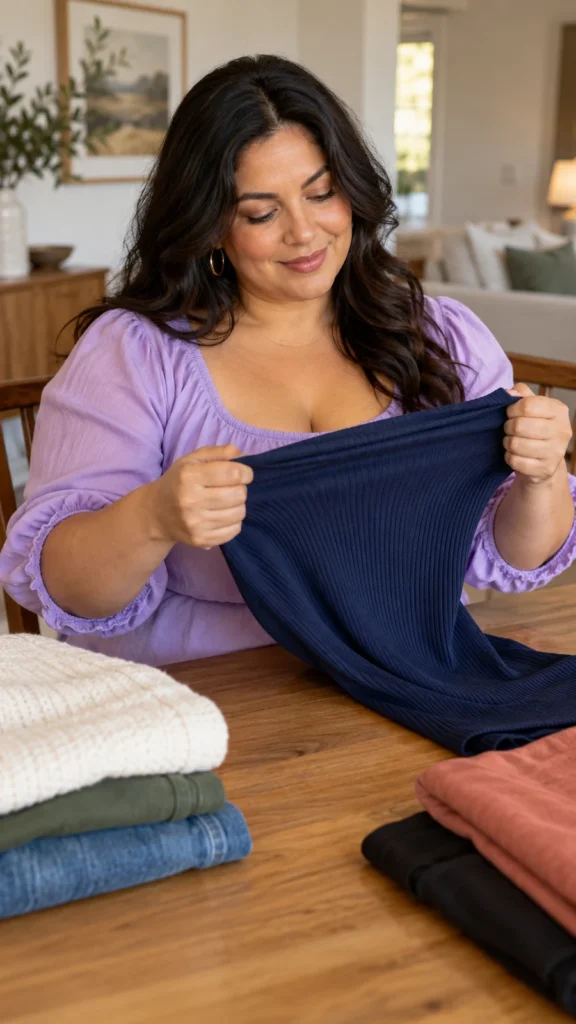
Stretch fabric extends when gentle tension is applied. Its flexibility may come from the way it is knitted or woven, stretch fibers such as elastane, or a combination of both.
Some fabrics stretch mainly across their width, while others stretch in more than one direction. This can affect how comfortable a garment feels around the hips, across the shoulders or when you bend your knees.
Stretch does not automatically mean a garment should fit tightly. A relaxed knit dress and fitted stretch jeans can both stretch while offering very different silhouettes.
Style Tip: Read the fit description as well as the fabric information. “Stretch” describes flexibility, not the amount of room the garment is intended to have.
2. Understand What Non-Stretch Fabric Means
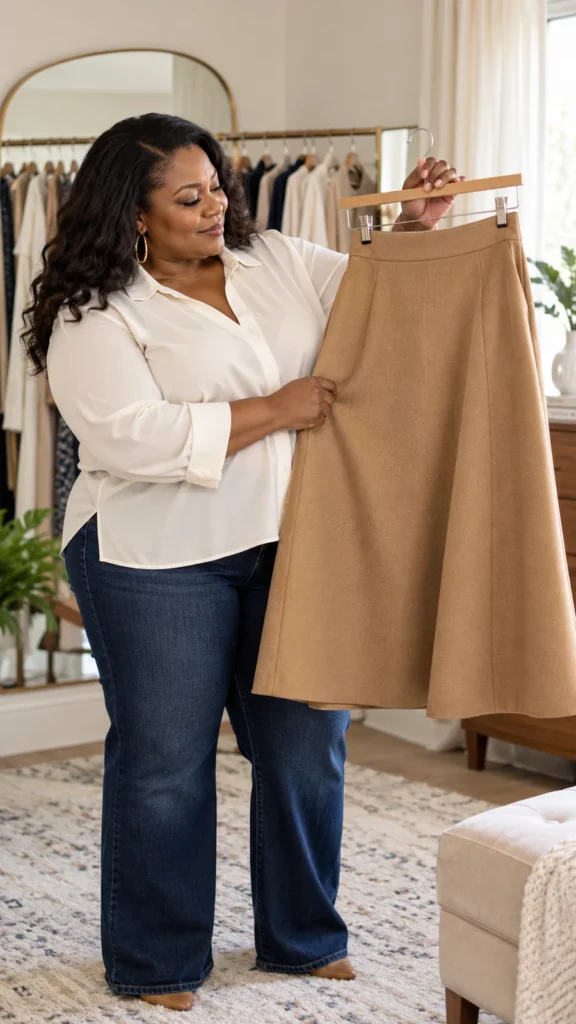
Non-stretch fabric has little meaningful give during normal wear. Many woven cottons, linens and structured fabrics fall into this group, although the exact behavior varies by material and construction.
A non-stretch garment needs enough room in its cut for you to sit, walk and reach comfortably. Pleats, gathers, vents and a fuller silhouette can help provide that movement.
Non-stretch does not mean uncomfortable. A roomy woven blouse or A-line skirt can feel easy to wear when its measurements and construction suit you.
Style Tip: Choose non-stretch clothing by its actual fit and movement. Do not assume that tight areas will stretch enough after wearing.
3. Check the Finished Garment, Not Just the Fabric
A flexible outer fabric does not guarantee that every part of the garment stretches. Waistbands, linings, seams and decorative details may limit movement.
For example, a stretch skirt can still have a firm waistband. A dress with a flexible outer layer may feel restrictive if its lining has less give. Check the areas where you need the most movement during your try-on.
- Waistband: does it stretch comfortably or stay firm?
- Lining: does it allow the same movement as the outer layer?
- Sleeves: can you reach forward without restriction?
- Closures: do buttons and zippers sit without strain?
- Seams: do they remain comfortable when you sit or bend?
Style Tip: Test the whole garment through normal movement instead of judging flexibility from one small area.
4. Know the Difference Between Stretch and Recovery
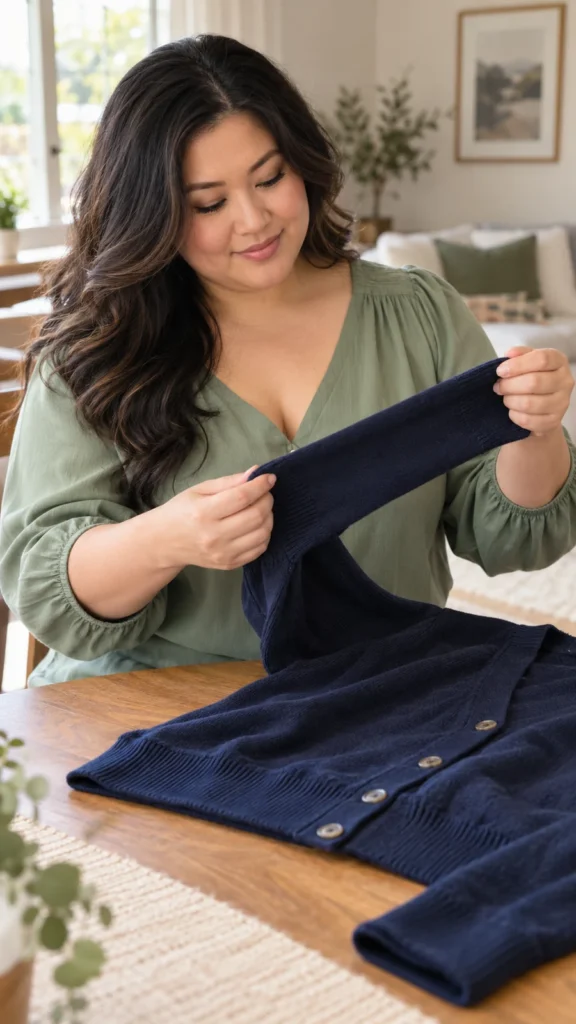
Stretch is how much a fabric can extend. Recovery is how well it returns toward its original shape after that tension is released.
A garment may stretch easily but become baggy at the knees, elbows or seat during wear. Another may feel firmer while holding its shape more consistently. Fabric, construction, wear and care all influence this behavior.
During a try-on, notice how the garment settles after you sit or move. This can offer a useful clue, although a short try-on cannot predict its long-term performance.
Style Tip: Avoid pulling a new garment hard to test its limits. Use ordinary movement and follow the care label to help preserve its shape.
5. Understand Why Non-Stretch Clothing Needs Ease
Ease is the difference between body measurements and garment measurements. In many non-stretch garments, extra room helps you breathe and move comfortably.
The amount needed depends on the garment, its cut and the fit you want. A relaxed blouse needs different room from a tailored jacket. A full skirt allows movement differently from a straight skirt.
Some fitted stretch garments are designed with garment measurements smaller than the intended body measurements. That relies on their flexibility and construction, so it should not be applied to every stretchy item.
Style Tip: Check whether a size chart lists body or garment measurements before comparing it with your own. The numbers serve different purposes.
6. Choose Your Size Without Assuming Stretch Will Fix It
Start with the exact product’s size chart and any guidance about choosing between sizes. Consider the areas where the garment sits close to your body and whether those areas can move comfortably.
Stretch fabric can accommodate some variation, but it should not have to work at its limit throughout the day. If a closure strains or sitting feels uncomfortable, try another size or cut.
With non-stretch clothing, assess the hips, bust, shoulders and other fitted areas carefully. The right size may differ from what you wear in a flexible garment.
Style Tip: Do not automatically size down in stretch clothing or size up in every woven piece. Use measurements, construction and your preferred fit together.
7. Compare Stretch and Non-Stretch Jeans
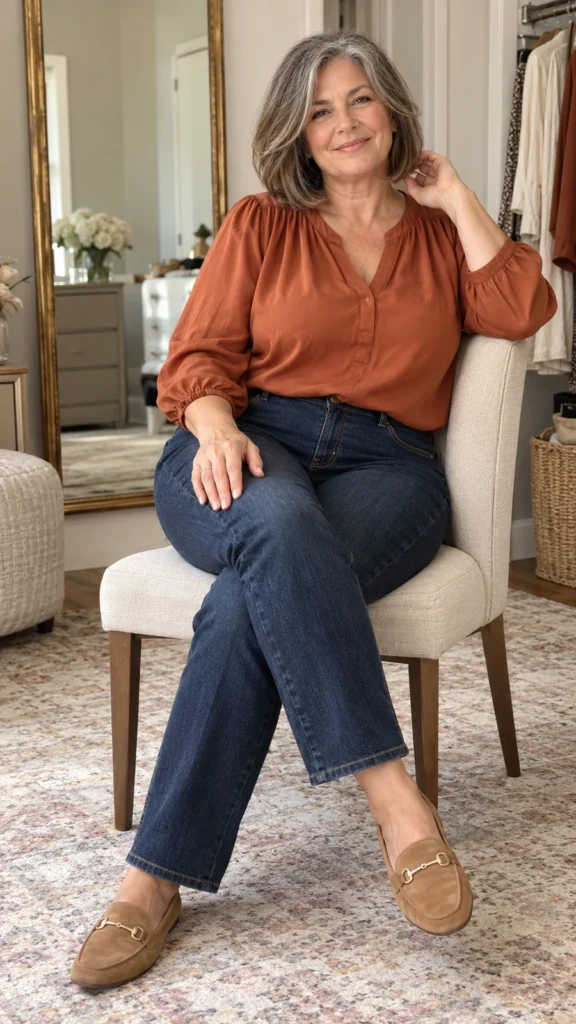
Stretch jeans often provide flexibility when sitting or bending. Their feel varies considerably: some are soft and flexible, while others remain fairly structured.
Non-stretch denim relies more on its cut for comfort. Check the waist, hips, thighs and rise while sitting, especially in close-fitting styles. Some denim may soften or relax with wear, but the amount is unpredictable.
A curvy cut may offer different waist-to-hip proportions, while a relaxed or wide-leg cut may provide more leg room. Check the actual measurements rather than relying on the name alone.
Style Tip: Buy jeans that feel wearable now. Avoid depending on future stretching to make a restrictive pair comfortable.
8. Compare Dresses, Skirts and Tops
Stretch knits can work well for close-fitting dresses and tops because they allow flexibility. Look for comfortable coverage and a fabric weight you enjoy rather than assuming every knit will drape the same way.
Non-stretch dresses and skirts can provide structure or a flowing shape through their cut. A fitted woven dress needs suitable room at the bust, waist and hips, while a fuller design may be more flexible in some areas.
For tops, check shoulder and sleeve movement. A blouse can look roomy through the body and still feel tight around the upper arms.
Style Tip: Use the silhouette to help create the fit you want. Fabric flexibility is only one part of the decision.
9. Do a Simple Comfort Test Before Keeping It
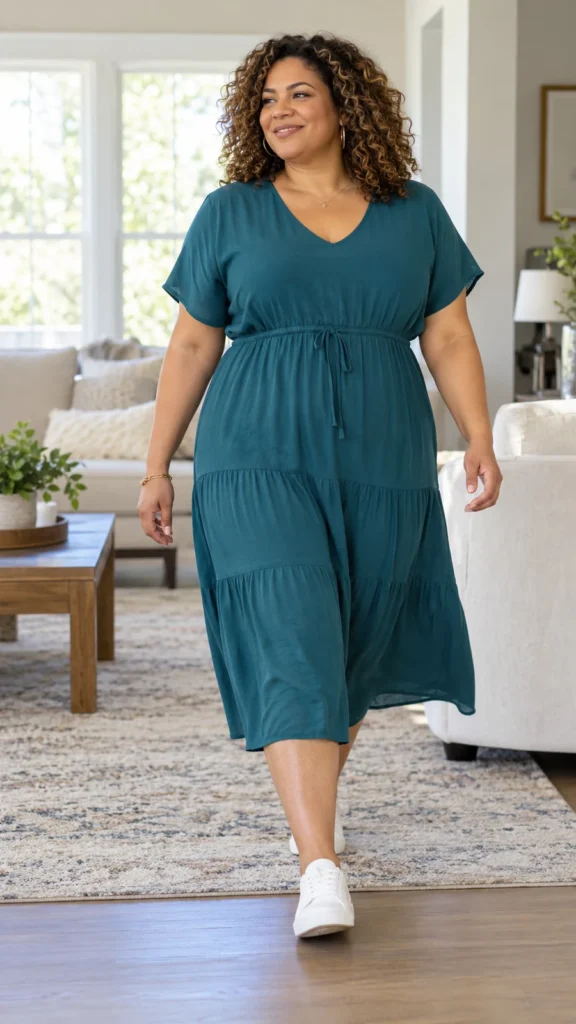
Try the garment with the underwear, layers and shoes you expect to wear. Keep tags attached and follow the retailer’s return conditions.
- Sit normally and take a comfortable breath.
- Walk at your usual pace.
- Reach forward if you are checking a top or jacket.
- Bend your knees comfortably when trying bottoms.
- Check whether waistbands, linings or closures restrict movement.
- Notice whether the garment settles naturally after moving.
You do not need completely wrinkle-free fabric. Focus on comfort, secure coverage and whether the garment needs repeated adjustment.
Style Tip: Spend a few minutes moving in a garment before deciding. A standing mirror check alone can miss important fit issues.
10. Follow the Care Label for Each Fabric
Heat, washing and drying can affect garment size, texture and flexibility. Stretch clothing is not automatically safe to tumble-dry, and non-stretch clothing is not automatically resistant to shrinking.
Follow the care instructions attached to the item. Check washing temperature, drying method and any ironing restrictions before choosing your routine.
If you are considering an alteration, ask whether the fabric and construction are suitable. Stretch garments may need different sewing techniques from structured woven pieces.
Style Tip: Choose clothing whose care requirements fit your routine. Comfortable fit matters, but so does being able to maintain it conveniently.
Your Quick Fabric-and-Fit Checklist
- Check the fabric description and intended silhouette.
- Use the exact product’s size chart.
- Find out whether the chart lists body or garment measurements.
- Assess the waistband, lining and closures separately.
- Test sitting, walking and reaching.
- Do not rely on future stretching to solve tightness.
- Read the care label before keeping the garment.
Frequently Asked Questions
Is stretch fabric always more comfortable?
No. Comfort depends on fit, construction, fabric feel and your preferences. A roomy non-stretch garment can be more comfortable than a stretchy one that feels too tight.
Does a higher elastane percentage guarantee more stretch?
No. Fiber content is only one factor. Fabric construction, thickness and other materials also affect flexibility and recovery.
Can non-stretch fabric stretch out with wear?
Some fabrics may relax or change shape with wear, but the amount varies. Choose a garment that fits comfortably when you buy it rather than depending on that change.
Should I buy a smaller size in stretch jeans?
Not automatically. Follow the product’s sizing guidance and check the waist, hips, thighs and rise while sitting and moving.
Can stretchy clothing still feel restrictive?
Yes. A firm waistband, less flexible lining, tight seams or an unsuitable cut can restrict movement even when the outer fabric stretches.
Let Fit and Movement Guide Your Choice
Stretch and non-stretch fabrics can both belong in a comfortable wardrobe. Choose each garment by how it fits, moves and feels during the activities you plan to wear it for. The best option gives you the silhouette you want without asking you to spend the day adjusting it.
Apply these fabric checks to denim with our guide to how jeans should fit.
YOUR PERSONAL STYLE TOOLS
Want your next look styled together?
Build a personalized outfit or complete your existing look with matching hair, nails, shoes and accessories.